
GX5CrNiMo19-11-2 (EN 1.4408) Austenitic Stainless Steel Casting Material
Austenitic Stainless Steel
Introduction
EN 10213, EN 10283 and ISO 11972 Grade GX5CrNiMo19-11-2 is an austenitic stainless steel casting grade. Process options include investment casting, shell molding and sand casting. Typical uses include cast structural components in chemical-processing and food-production equipment.
| Field | Value |
|---|---|
| Designation | GX5CrNiMo19-11-2 (EN 1.4408) |
| Material Type | Stainless Steel |
| Sub Type | Austenitic Stainless Steel |
| Product Form | casting |
Manufacturing Process
Investment Casting
Shell Molding Casting
Sand Casting
Equivalent Materials
Approximate materials; not guaranteed interchangeable.
Similar Materials
Not Available
Reference Standards
Related Casting Products
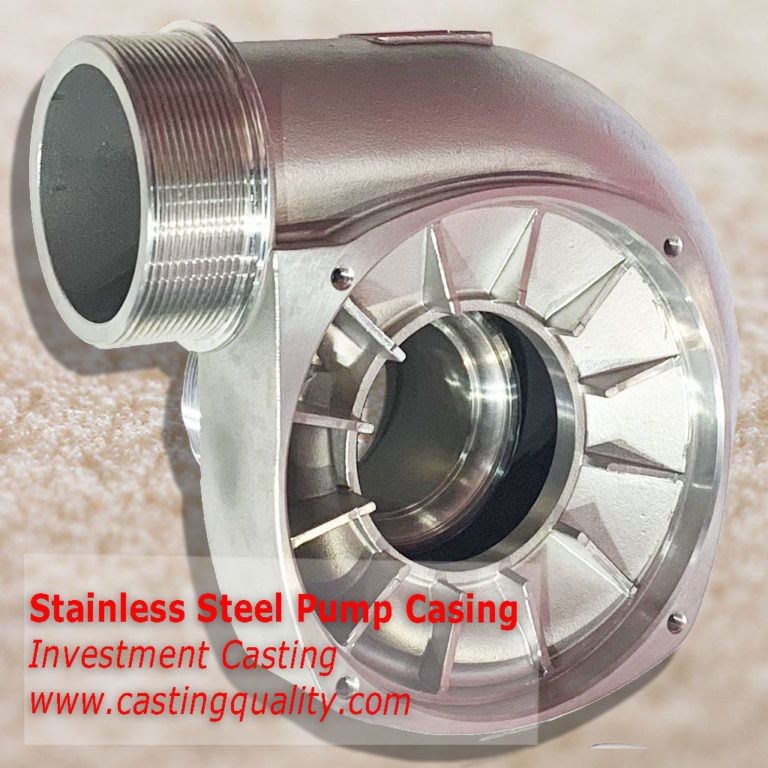
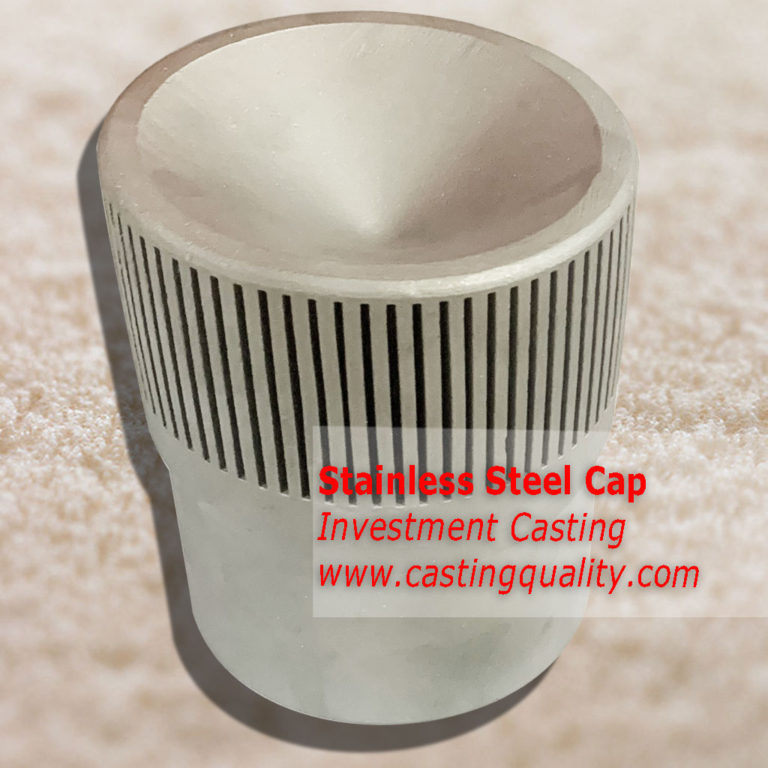
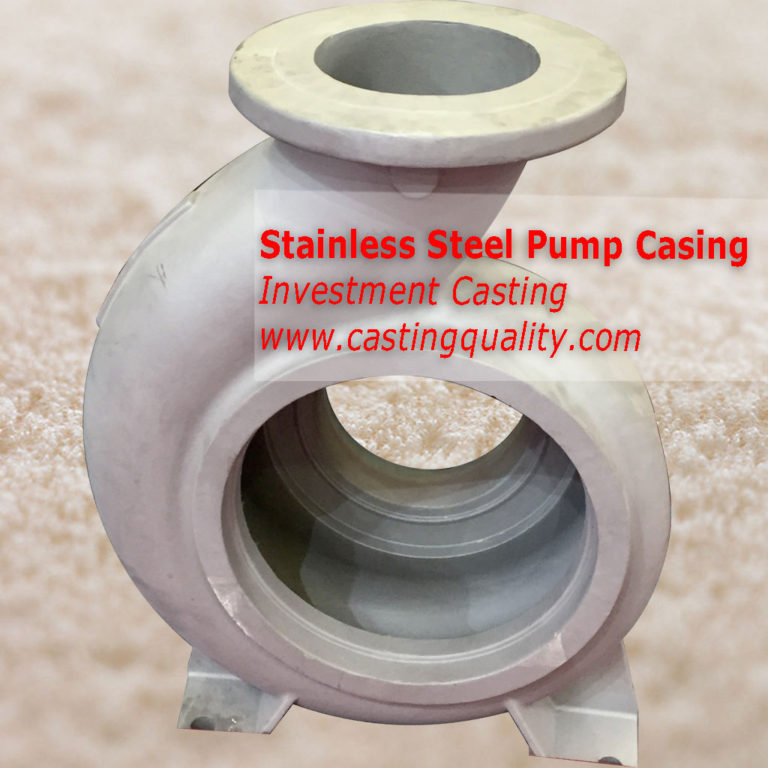
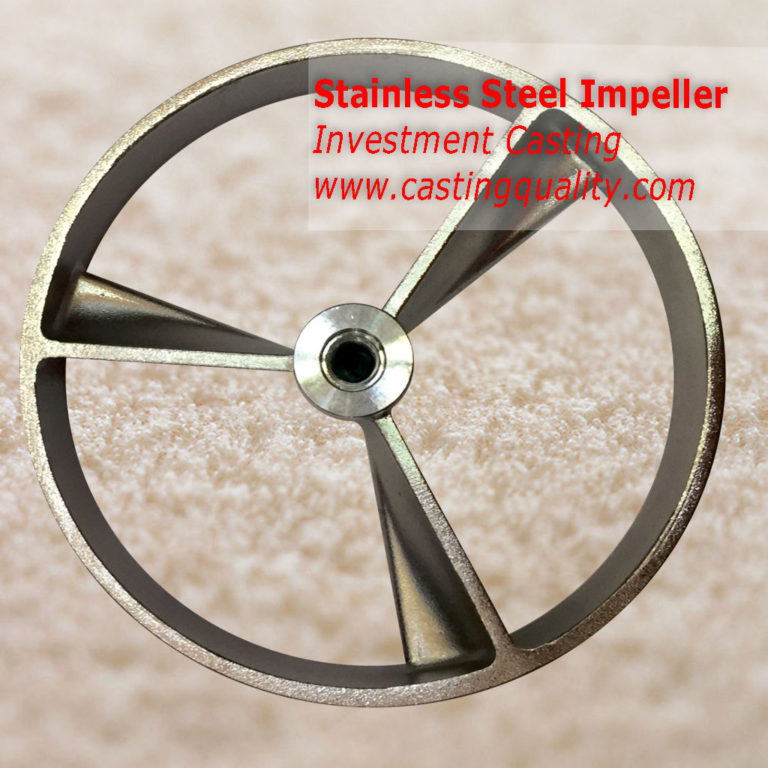
Physical Properties
| Property | Value | Applicable Conditions | Standard |
|---|---|---|---|
| Density | 7.9 kg/dm³[1] | Test temperature: 20 °C | EN 10213 — 2007+A1:2016 EN 10283 — 2019 |
| Thermal Conductivity | 14.5 W/(m·K)[1] | Test temperature: 50 °C | EN 10213 — 2007+A1:2016 EN 10283 — 2019 |
| Thermal Conductivity | 15.8 W/(m·K)[1] | Test temperature: 100 °C | EN 10213 — 2007+A1:2016 EN 10283 — 2019 |
| Specific Heat | 530 J/(kg·K)[1] | Test temperature: 20 °C | EN 10213 — 2007+A1:2016 EN 10283 — 2019 |
| Thermal Expansion | 15.8 ×10⁻⁶/K[1] | Temperature range: 20–100 °C | EN 10213 — 2007+A1:2016 EN 10283 — 2019 |
| Thermal Expansion | 17 ×10⁻⁶/K[1] | Temperature range: 20–300 °C | EN 10213 — 2007+A1:2016 EN 10283 — 2019 |
| Thermal Expansion | 17.7 ×10⁻⁶/K[1] | Temperature range: 20–500 °C | EN 10213 — 2007+A1:2016 EN 10283 — 2019 |
| Magnetic Property | Not or slightly magnetic[1] | EN 10213 — 2007+A1:2016 |
Notes
- [1] Informative values; not mandatory acceptance limits.
Chemical Composition
| Element | EN 10213 — 2007+A1:2016 | EN 10283 — 2019 | ISO 11972 — 2023 |
|---|---|---|---|
| C | ≤ 0.07 %[1] | ≤ 0.07 %[1] | ≤ 0.07 % |
| Si | ≤ 1.50 %[1] | ≤ 1.50 %[1] | ≤ 1.5 % |
| Mn | ≤ 1.50 %[1] | ≤ 1.50 %[1] | ≤ 1.5 % |
| P | ≤ 0.040 %[1] | ≤ 0.040 %[1] | ≤ 0.040 % |
| S | ≤ 0.030 %[1] | ≤ 0.030 %[1] | ≤ 0.030 % |
| Cr | 18.00–20.00 %[1] | 18.00–20.00 %[1] | 18.0–20.0 % |
| Ni | 8.00–11.00 %[1] | 9.00–12.00 %[1] | 9.0–12.0 % |
| Mo | 2.00–2.50 %[1] | 2.00–2.50 %[1] | 2.00–2.50 % |
| Cu | ≤ 0.50 %[1] | ≤ 0.50 %[2] | Not Available |
Notes
- [1] EN 10213:2007+A1:2016; C, Si, Mn, P, S, Cr, Mo, Ni (EN 10283:2019 only): cast analysis
- [2] Cu (EN 10283:2019 only): Applies unless otherwise agreed; unspecified elements shall not be intentionally added without purchaser agreement except for finishing the heat.; cast analysis
Heat Treatment
EN 10213 — 2007+A1:2016
Notes
- [1] Treatment temperatures are given for information; required delivery condition is specified separately.
- [2] Informative values; not mandatory acceptance limits.
EN 10283 — 2019
| Heat Treatment | Operation | Temperature | Cooling |
|---|---|---|---|
| +AT | solution annealing | 1080–1150 °C | water |
ISO 11972 — 2023
| Heat Treatment | Operation | Temperature | Cooling |
|---|---|---|---|
| Solution treated | solution treatment[1] | 1080–1150 °C | quench |
Notes
- [1] Depending on thickness, accelerated air cooling.
Mechanical Properties
Primary Mechanical Properties
EN 10213 — 2007+A1:2016
Condition: t ≤ 150 mm; Room temperature; +AT
| Property | Requirement |
|---|---|
| Yield Strength (Rp1.0) | ≥ 210 MPa[1][2][3][4] |
| Tensile Strength | 440–640 MPa[2][3][4] |
| Elongation | ≥ 30 %[2][3][4] |
| Impact Energy | ≥ 60 J[2][3][4] |
Notes
- [1] Yield Strength (Rp1.0): Rp0.2 may be estimated by reducing Rp1.0 by 25 MPa; this does not specify a separate Rp0.2 requirement.
- [2] wall thickness: ≤ 150 mm
- [3] Properties verified on test blocks of thickness up to 150 mm
- [4] applicability to casting wall thickness as stated. Larger governing thickness requires agreement.
EN 10283 — 2019
Condition: t ≤ 150 mm; Room temperature; +AT
| Property | Requirement |
|---|---|
| Yield Strength (Rp0.2) | ≥ 185 MPa[1][2][3] |
| Yield Strength (Rp1.0) | ≥ 210 MPa[1][2][3] |
| Tensile Strength | ≥ 440 MPa[1][2][3] |
| Elongation | ≥ 30 %[1][2][3] |
| Impact Energy | ≥ 60 J[1][2][3][4] |
Notes
- [1] Test block
- [2] maximum thickness 150 mm
- [3] Yield and tensile strength also apply to the casting up to the maximum specified wall thickness.
- [4] Impact Energy: KV2 as specified in Table 2
ISO 11972 — 2023
Condition: t ≤ 150 mm; Room temperature; Solution treated
| Property | Requirement |
|---|---|
| Yield Strength (Rp0.2) | ≥ 185 MPa[1] |
| Tensile Strength | ≥ 440 MPa[1] |
| Elongation | ≥ 30 %[1] |
| Impact Energy | ≥ 60 J[1][2] |
| Yield Strength (Rp1.0) | ≥ 210 MPa[1][3] |
Notes
- [1] Test blocks used to verify mechanical properties shall not exceed 150 mm thickness. Properties for samples removed from castings shall be agreed between manufacturer and purchaser.
- [2] Impact Energy: Verification of impact tests is required only when indicated by the customer.
- [3] Yield Strength (Rp1.0): Minimum Rp1.0 is 25 MPa higher than minimum Rp0.2.
Additional Mechanical Properties
EN 10213 — 2007+A1:2016
Elevated-Temperature Properties
Condition: +AT
| Property | 100 °C | 200 °C | 300 °C | 400 °C |
|---|---|---|---|---|
| Yield Strength (Rp1.0) | ≥ 170 MPa[1][2] | ≥ 135 MPa[1][2] | ≥ 115 MPa[1][2] | ≥ 105 MPa[1][2] |
Notes
- [1] Rp0.2 may be estimated by reducing Rp1.0 by 25 MPa; this does not specify a separate Rp0.2 requirement.
- [2] Verification of elevated-temperature yield values is subject to agreement at enquiry and order.
Welding Conditions
EN 10213 — 2007+A1:2016
| Property | Requirement |
|---|---|
| Preheat | No preheat[1] |
| Interpass Temperature | At manufacturer discretion unless otherwise agreed[2] |
| Post-weld Heat Treatment | +AT (solution annealing), normally liquid quenching; air quenching may be agreed for very small, thin castings. May be omitted for high-temperature use.[3] |
Notes
- [1] Preheat: Production welding by the foundry; Annex A requirements for austenitic/austenitic-ferritic grades are normative.; Preheat temperature depends on casting geometry, thickness and climatic conditions.
- [2] Interpass Temperature: Production welding by the foundry; Annex A requirements for austenitic/austenitic-ferritic grades are normative.
- [3] Post-weld Heat Treatment: Production welding by the foundry; Annex A requirements for austenitic/austenitic-ferritic grades are normative.; In general, production welds are major when prepared cavity depth exceeds 40% of the wall thickness; minor weld corrosion conditions may require special agreement.
EN 10283 — 2019
| Property | Value |
|---|---|
| Preheat | No preheat[1][4] |
| Interpass Temperature | At manufacturer discretion unless otherwise agreed[4] |
| Post-weld Heat Treatment | Solution annealing followed by water quenching[2][4] |
| Post-weld Heat Treatment | Solution annealing followed by water quenching[3][4] |
Notes
- [1] Preheat: Preheat depends on casting geometry, thickness and climatic conditions.
- [2] Post-weld Heat Treatment (EN 10283:2019 only): minor welds; Air quenching may be agreed for very small, thin castings according to corrosion conditions.
- [3] Post-weld Heat Treatment (EN 10283:2019 only): major welds; Air quenching may be agreed for very small, thin castings according to corrosion conditions.
- [4] Informative values; not mandatory acceptance limits.
Applications
GX5CrNiMo19-11-2 is used for cast structural components in chemical-processing and food-production equipment. Technical application data also identifies pressure-vessel uses. Other cast components used in this material family include pump casings, impellers, valve bodies, covers and pipe fittings. Typical settings include chemical and pharmaceutical plants, food and beverage machinery, and filling, mixing and liquid-handling systems.
Need GX5CrNiMo19-11-2 Castings?
Contact us for casting and machining inquiries.
Email Us for a QuoteLast Updated: November 25, 2026