
GX2NiCrMoCuN25-20-6 (EN 1.4588) Austenitic Stainless Steel Casting Material
Austenitic Stainless Steel
Introduction
GX2NiCrMoCuN25-20-6 (EN 1.4588) is an austenitic stainless steel casting grade specified in EN 10283. The standard covers corrosion-resistant castings for general purposes and defines the applicable delivery conditions and engineering requirements. Casting process options include Investment Casting, Shell Molding Casting and Sand Casting, subject to the applicable specification and component requirements.
| Field | Value |
|---|---|
| Designation | GX2NiCrMoCuN25-20-6 (EN 1.4588) |
| Material Type | Stainless Steel |
| Sub Type | Austenitic Stainless Steel |
| Product Form | casting |
Manufacturing Process
Investment Casting
Shell Molding Casting
Sand Casting
Equivalent Grades
Similar Materials
N/A
Reference Standards
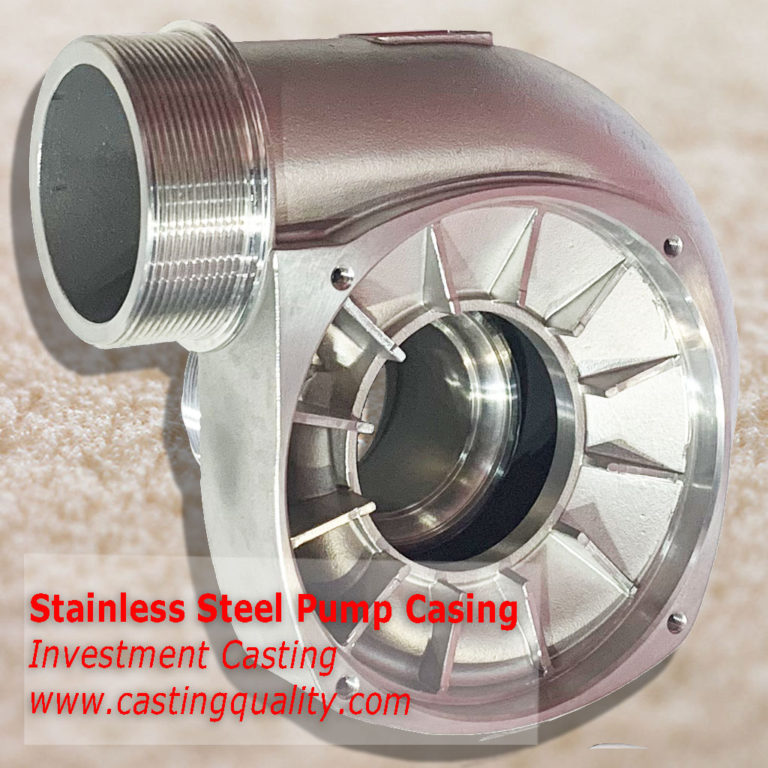
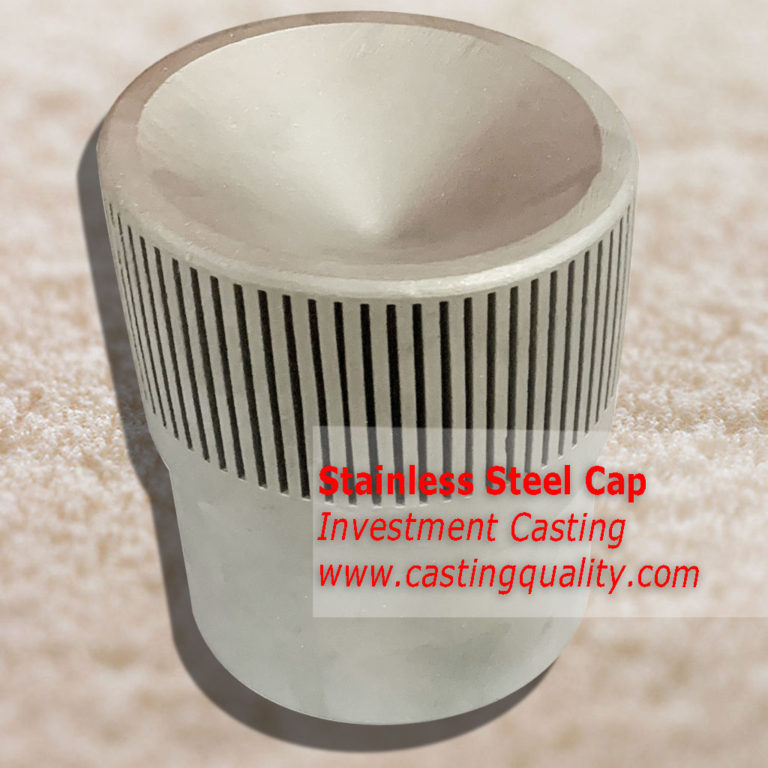
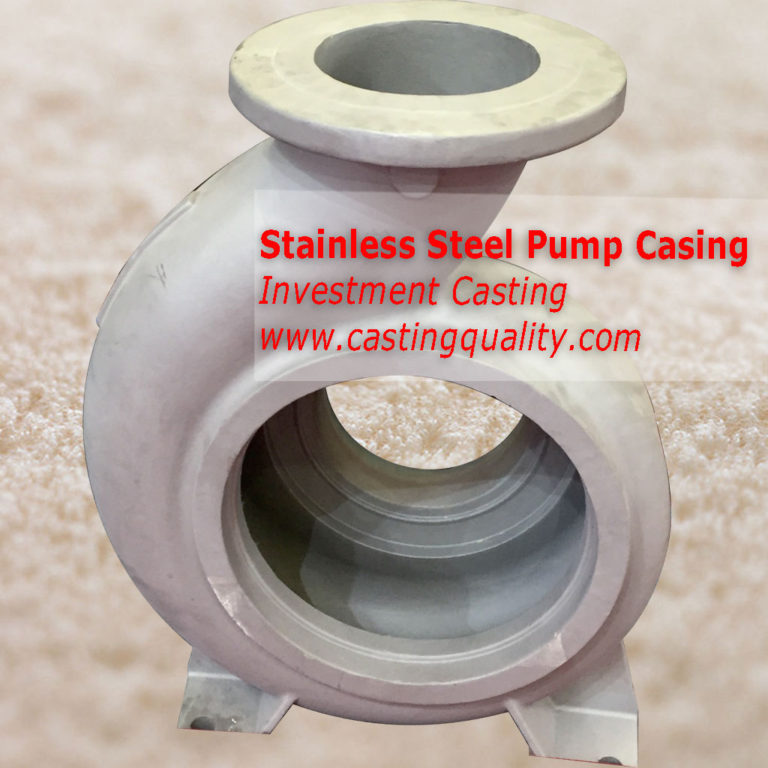
Related Casting Products
Physical Properties
EN 10283–2019
| Property | Value | Note |
|---|---|---|
| Density | 8.0 kg/dm³ | Test at 20 °C |
| Specific Heat | 500 J/(kg·K) | Test at 20 °C |
| Thermal Conductivity | 15 W/(m·K) | Test at 50 °C |
| Thermal Conductivity | 16 W/(m·K) | Test at 100 °C |
| Thermal Expansion | 16.5 ×10⁻⁶/K | Temperature range: 20–100 °C |
| Thermal Expansion | 17.5 ×10⁻⁶/K | Temperature range: 20–300 °C |
| Thermal Expansion | 18.5 ×10⁻⁶/K | Temperature range: 20–500 °C |
Chemical Composition
| Element | EN 10283Edition 2019 · wt.%Cast analysis | ISO 11972Edition 2023 · wt.% |
|---|---|---|
| C | ≤ 0.025 | ≤ 0.02 |
| Si | ≤ 1.00 | ≤ 1.0 |
| Mn | ≤ 2.00 | ≤ 2.00 |
| P | ≤ 0.035 | ≤ 0.035 |
| S | ≤ 0.020 | ≤ 0.020 |
| Cr | 19.00–21.00 | 19.0–21.0 |
| Ni | 24.00–26.00 | 24.0–26.0 |
| Mo | 6.00–7.00 | 6.00–7.00 |
| Cu | 0.50–1.50 | 0.50–1.50 |
| N | 0.10–0.25 | 0.10–0.25 |
Heat Treatment
EN 10283–2019 · +AT
| Step | Operation | Temperature | Cooling |
|---|---|---|---|
| 1 | solution annealing | 1200–1240 °C | water |
ISO 11972–2023 · Solution treated
| Step | Operation | Temperature / holding time | Cooling |
|---|---|---|---|
| 1 | solution treatment | 1200–1240 °C; Holding time: ≥ 4 h | quench in water |
Mechanical Properties
| Property | EN 10283Edition 2019[1] | ISO 11972Edition 2023[2] |
|---|---|---|
| Yield Strength (Rp0.2) | ≥ 210 MPa | ≥ 210 MPa |
| Yield Strength (Rp1.0) | ≥ 235 MPa | — / Not specified |
| Tensile Strength | ≥ 480 MPa | ≥ 480 MPa |
| Elongation | ≥ 30 % | ≥ 30 % |
| Impact Energy | ≥ 60 J[3] | ≥ 60 J[4] |
Notes
EN 10283 · Edition 2019
[1] All properties in this column: wall thickness ≤ 50 mm; Test block; maximum thickness 150 mm; Room temperature; Yield and tensile strength also apply to the casting up to the maximum specified wall thickness.
[3] Impact Energy: KV2 as specified in
ISO 11972 · Edition 2023
[2] All properties in this column: wall thickness ≤ 50 mm; Room temperature; Test blocks used to verify mechanical properties shall not exceed 150 mm thickness. Properties for samples removed from castings shall be agreed between manufacturer and purchaser.
[4] Impact Energy: Verification of impact tests is required only when indicated by the customer.
Welding Conditions
EN 10283–2019
Notes
EN 10283 · Edition 2019
[1] Preheat: Preheat depends on casting geometry, thickness and climatic conditions.
[2] Post-weld Heat Treatment: minor welds; Special arrangements may be agreed according to corrosion conditions. With low preheat and interpass temperatures (≤150 °C), post-weld heat treatment may be suppressed by agreement.
[3] Post-weld Heat Treatment: major welds; Air quenching may be agreed for very small, thin castings according to corrosion conditions.
Applications
Typical applications for this corrosion-resistant steel casting family include components exposed to corrosive environments in general engineering service.
Last Updated: October 16, 2026