
GX2CrNiMoN26-7-4 (EN 1.4469) Duplex Stainless Steel Casting Material
Duplex Stainless Steel
Introduction
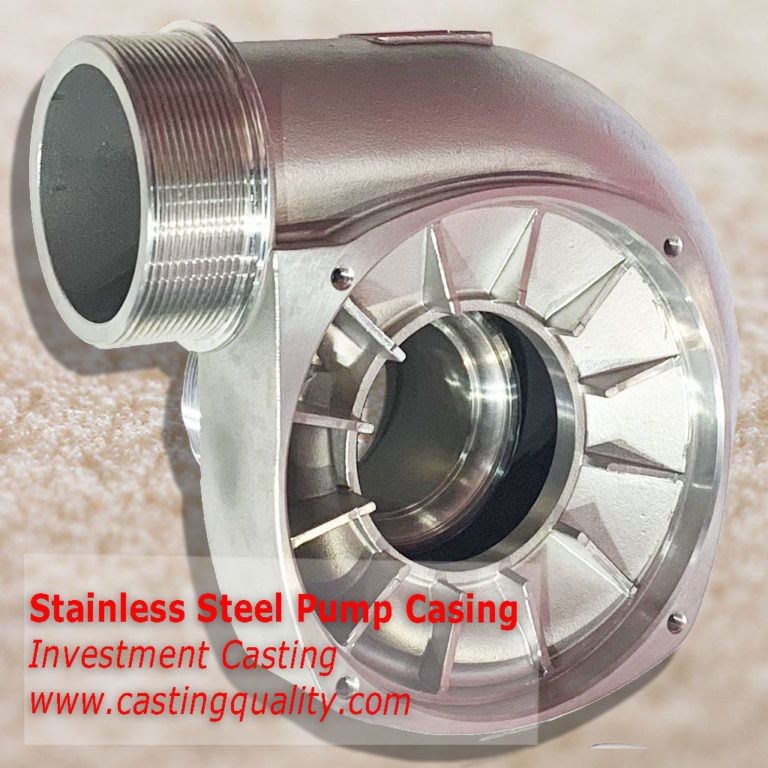
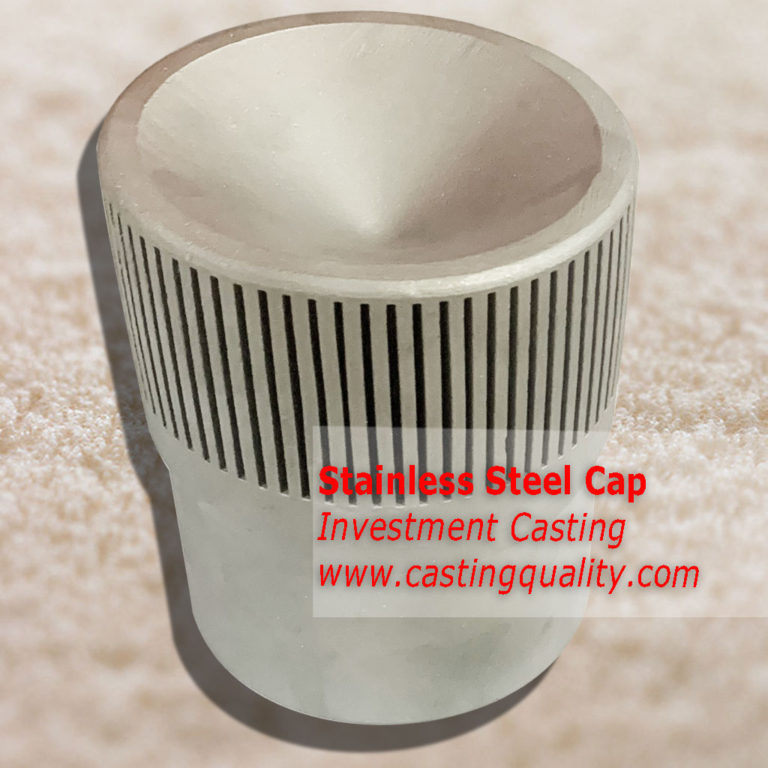
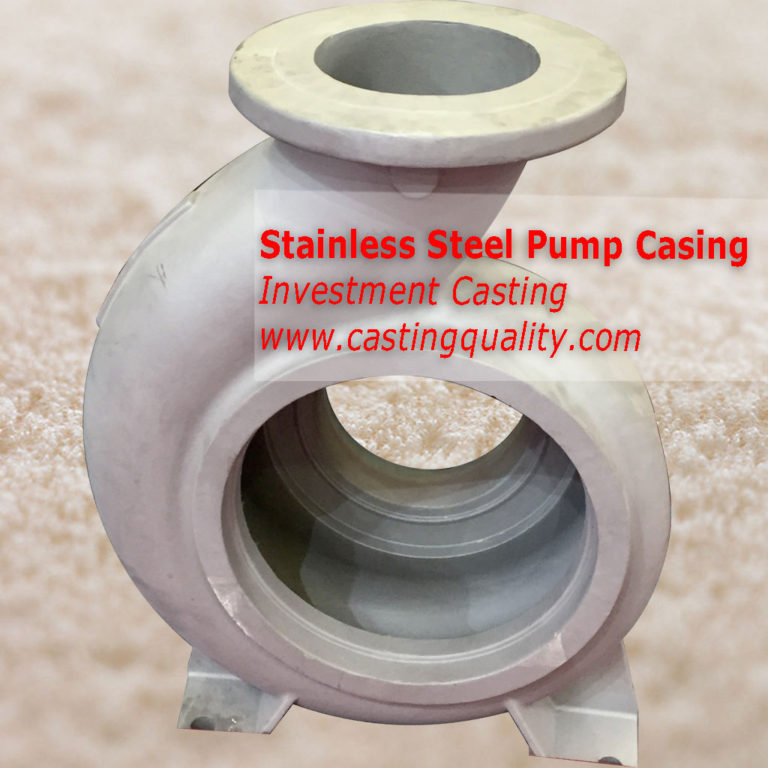
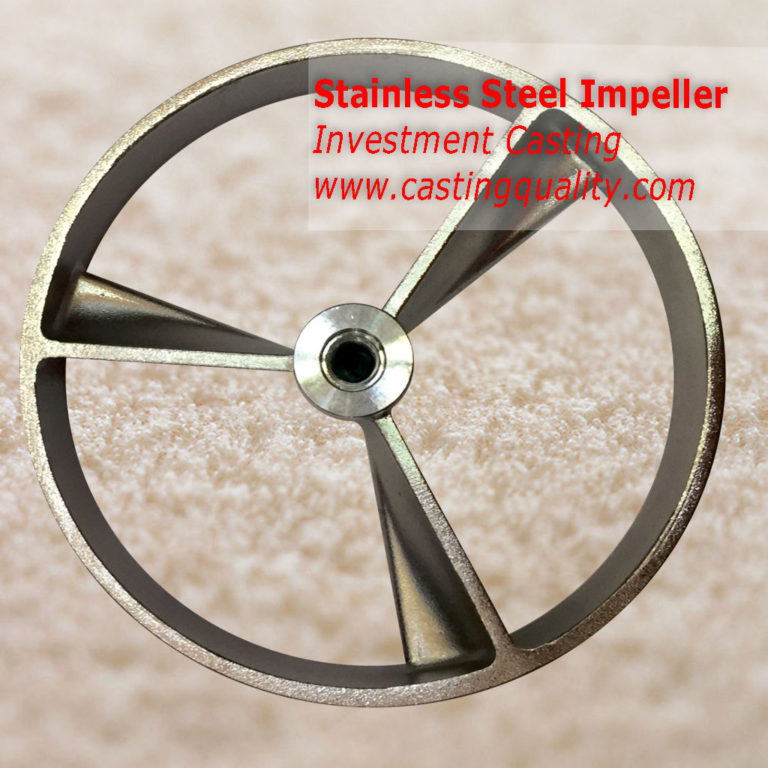
EN 10213, EN 10283 and ISO 11972 Grade GX2CrNiMoN26-7-4 is a duplex stainless steel casting grade. Process options include investment casting, shell molding and sand casting. Typical family applications include pump casings, impellers, covers and valve bodies.
| Field | Value |
|---|---|
| Designation | GX2CrNiMoN26-7-4 (EN 1.4469) |
| Material Type | Stainless Steel |
| Sub Type | Duplex Stainless Steel |
| Product Form | casting |
Manufacturing Process
Investment Casting
Shell Molding Casting
Sand Casting
Equivalent Materials
| Standard | Material Grade |
|---|---|
| UNS / ACI | J93404 |
Approximate materials; not guaranteed interchangeable.
Similar Materials
Not Available
Reference Standards
Related Casting Products
Physical Properties
| Property | Value | Applicable Conditions |
|---|---|---|
| Density | 7.7 kg/dm³ | Test temperature: 20 °C |
| Thermal Conductivity | 17 W/(m·K) | Test temperature: 50 °C |
| Thermal Conductivity | 18 W/(m·K) | Test temperature: 100 °C |
| Specific Heat | 450 J/(kg·K) | Test temperature: 20 °C |
| Thermal Expansion | 13 ×10⁻⁶/K | Temperature range: 20–100 °C |
| Thermal Expansion | 14 ×10⁻⁶/K | Temperature range: 20–300 °C |
- Sources: EN 10213:2007+A1:2016; EN 10283:2019
- Informative values; not mandatory acceptance limits.
Chemical Composition
| Element | EN 10213 — 2007+A1:2016 | EN 10283 — 2019 | ISO 11972 — 2023 |
|---|---|---|---|
| C | ≤ 0.030 % | ≤ 0.030 % | ≤ 0.03 % |
| Si | ≤ 1.00 % | ≤ 1.00 % | ≤ 1.0 % |
| Mn | ≤ 1.00 % | ≤ 1.00 % | ≤ 1.0 % |
| P | ≤ 0.035 % | ≤ 0.035 % | ≤ 0.035 % |
| S | ≤ 0.025 % | ≤ 0.025 % | ≤ 0.025 % |
| Cr | 25.00–27.00 % | 25.00–27.00 % | 25.0–27.0 % |
| Ni | 6.00–8.00 % | 6.00–8.00 % | 6.0–8.0 % |
| Mo | 3.00–5.00 % | 3.00–5.00 % | 3.00–5.00 % |
| Cu | ≤ 1.30 % | ≤ 1.30 % | ≤ 1.30 % |
| N | 0.12–0.22 % | 0.12–0.22 % | 0.12–0.22 % |
- C, Si, Mn, P, S, Ni, Cu (EN 10213:2007+A1:2016 only); EN 10283:2019: cast analysis
- Cr, Mo, N (EN 10213:2007+A1:2016 only): A minimum pitting index Pi = Cr + 3.3 Mo + 16 N ≥ 40 may be required.; cast analysis
Heat Treatment
EN 10213:2007+A1:2016
| Heat Treatment | Operation | Temperature | Cooling |
|---|---|---|---|
| +AT | solution annealing | 1140–1180 °C | water quench |
- Treatment temperatures are given for information; required delivery condition is specified separately.; After solution annealing, castings may be cooled to 1050–1010 °C before water quenching to improve corrosion resistance and prevent cracks in complex shapes.
- Informative values; not mandatory acceptance limits.
EN 10283:2019
| Heat Treatment | Operation | Temperature | Cooling |
|---|---|---|---|
| +AT | solution annealing | 1120–1150 °C | water |
ISO 11972:2023
| Heat Treatment | Operation | Temperature | Cooling |
|---|---|---|---|
| Solution treated | solution treatment | 1120–1150 °C | quench in water |
- After high-temperature solution annealing, optional cooling from 1040 °C to 1010 °C before water quenching may prevent cracks in complex shapes.
Mechanical Properties
Primary Mechanical Properties
EN 10213 — 2007+A1:2016
Condition: t ≤ 150 mm; Room temperature; +AT
| Property | Requirement |
|---|---|
| Yield Strength (Rp0.2) | ≥ 480 MPa |
| Tensile Strength | 650–850 MPa |
| Elongation | ≥ 22 % |
| Impact Energy | ≥ 50 J |
- wall thickness: ≤ 150 mm
- Properties verified on test blocks of thickness up to 150 mm
- applicability to casting wall thickness as stated. Larger governing thickness requires agreement.
EN 10283 — 2019
Condition: t ≤ 150 mm; Room temperature; +AT
| Property | Requirement |
|---|---|
| Yield Strength (Rp0.2) | ≥ 480 MPa |
| Tensile Strength | ≥ 650 MPa |
| Elongation | ≥ 22 % |
| Impact Energy | ≥ 50 J |
- Test block
- maximum thickness 150 mm
- Yield and tensile strength also apply to the casting up to the maximum specified wall thickness.
- Impact Energy: KV2 as specified in Table 2
ISO 11972 — 2023
Condition: t ≤ 150 mm; Room temperature; Solution treated
| Property | Requirement |
|---|---|
| Yield Strength (Rp0.2) | ≥ 480 MPa |
| Tensile Strength | ≥ 650 MPa |
| Elongation | ≥ 22 % |
| Impact Energy | ≥ 50 J |
- Test blocks used to verify mechanical properties shall not exceed 150 mm thickness. Properties for samples removed from castings shall be agreed between manufacturer and purchaser.
- Impact Energy: Verification of impact tests is required only when indicated by the customer.
Additional Mechanical Properties
EN 10213 — 2007+A1:2016
Elevated-Temperature Properties
Condition: +AT
| Property | 100 °C | 200 °C |
|---|---|---|
| Yield Strength (Rp0.2) | ≥ 390 MPa | ≥ 330 MPa |
- For pressure-vessel applications, these duplex steels shall not be used above 250 °C.
- Verification of elevated-temperature yield values is subject to agreement at enquiry and order.
EN 10213 — 2007+A1:2016
Low-Temperature Properties
Condition: -70 °C; +AT
| Property | Requirement |
|---|---|
| Impact Energy | ≥ 35 J |
- For pressure-vessel applications, these duplex steels shall not be used above 250 °C.
- Test block
- maximum thickness 150 mm
- Optional by agreement at enquiry and order
Welding Conditions
EN 10213 — 2007+A1:2016 · Table A.1 / normative
| Property | Requirement | Applicable Conditions |
|---|---|---|
| Preheat | 20–100 °C | Production welding by the foundry; Annex A requirements for austenitic/austenitic-ferritic grades are normative.; Preheat temperature depends on casting geometry, thickness and climatic conditions. |
| Interpass Temperature | ≤ 250 °C | Production welding by the foundry; Annex A requirements for austenitic/austenitic-ferritic grades are normative. |
| Post-weld Heat Treatment | +AT (solution annealing and water quenching); air quenching may be agreed for very small, thin castings. +AT may be omitted only with restricted welding heat input. Optional cooling to 1050–1010 °C before water quenching. | Production welding by the foundry; Annex A requirements for austenitic/austenitic-ferritic grades are normative.; In general, production welds are major when prepared cavity depth exceeds 40% of the wall thickness; minor weld corrosion conditions may require special agreement. |
EN 10283 — 2019 · Table A.1 / informative
| Property | Value | Applicable Conditions |
|---|---|---|
| Preheat | 20–100 °C | Preheat depends on casting geometry, thickness and climatic conditions. |
| Interpass Temperature | ≤ 250 °C | |
| Post-weld Heat Treatment | Solution annealing followed by water quenching | minor welds; Air quenching may be agreed for very small, thin castings according to corrosion conditions. With low preheat and interpass temperatures (≤150 °C), post-weld heat treatment may be suppressed by agreement. |
| Post-weld Heat Treatment | Solution annealing followed by water quenching | major welds; Air quenching may be agreed for very small, thin castings according to corrosion conditions. |
Applications
Typical cast components in this material family include pump casings, impellers, covers and valve bodies. Applications include water treatment, chemical processing, selected marine systems, desalination and pulp-and-paper pumping equipment. The appropriate duplex grade depends on the actual water chemistry and operating conditions.
Need GX2CrNiMoN26-7-4 Castings?
Contact us for casting and machining inquiries.
Email Us for a QuoteLast Updated: November 25, 2026