
GX2CrNiMoCuN20-18-6 (EN 1.4557) Austenitic Stainless Steel Casting Material
Austenitic Stainless Steel
Introduction
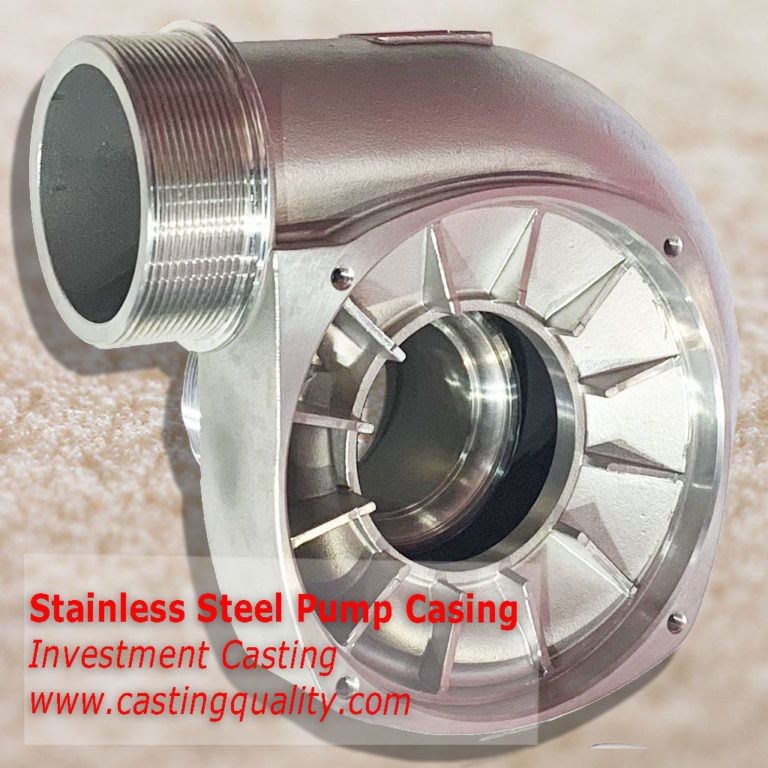
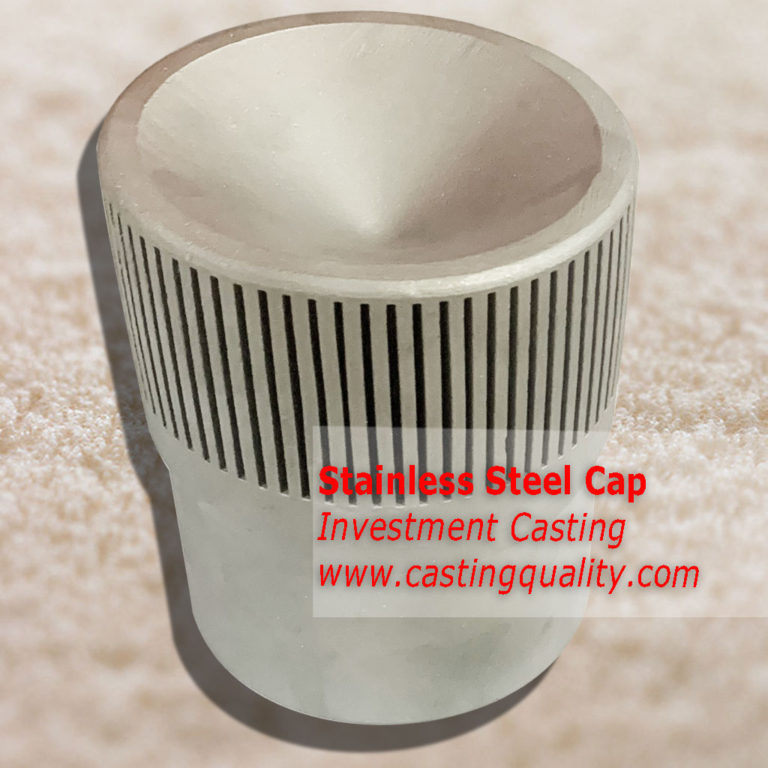
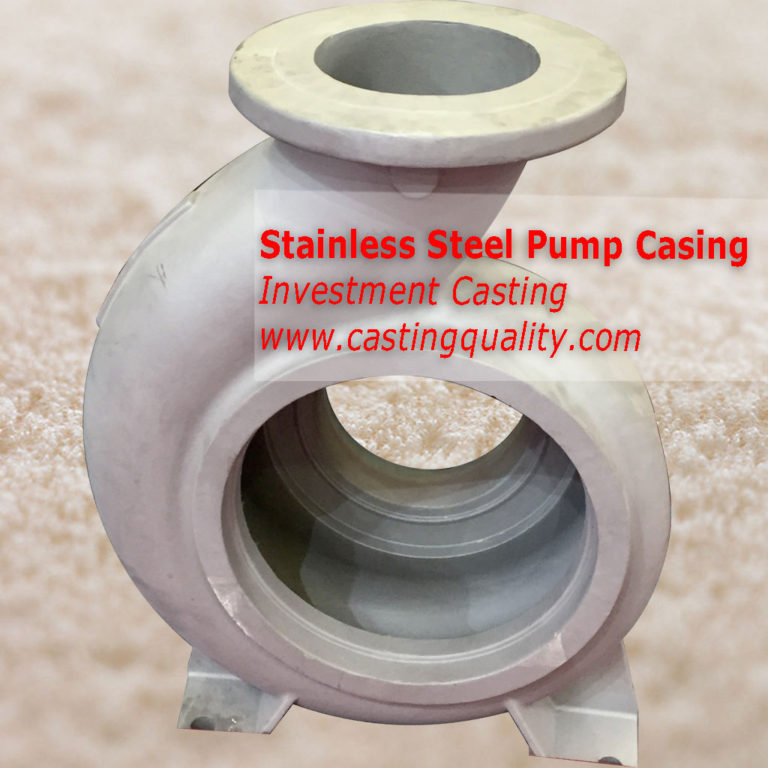
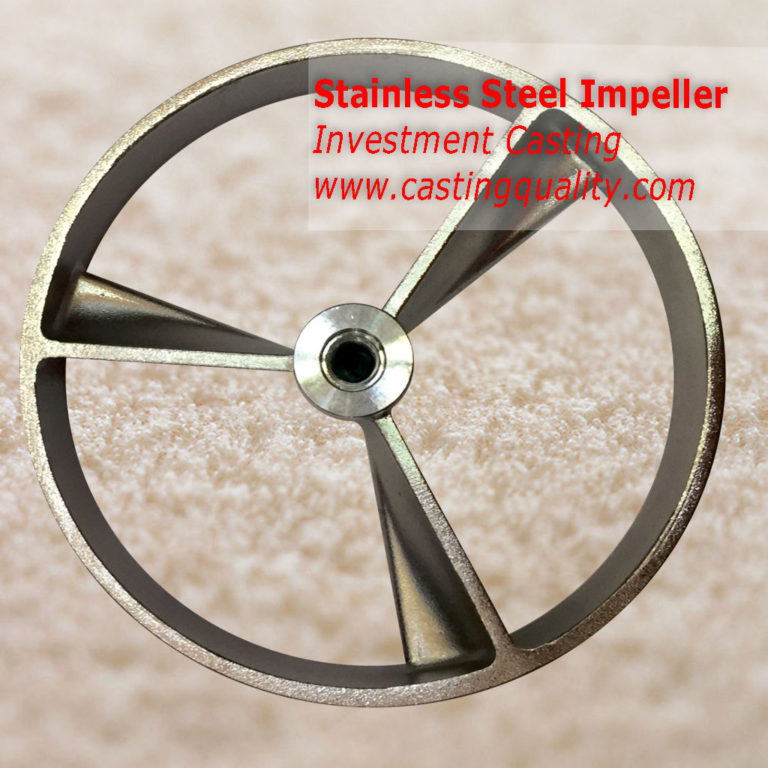
EN 10283 and ISO 11972 Grade GX2CrNiMoCuN20-18-6 is an austenitic stainless steel casting grade. Process options include investment casting, shell molding and sand casting. Typical family applications include pump casings, impellers, valve bodies, covers and pipe fittings.
| Field | Value |
|---|---|
| Designation | GX2CrNiMoCuN20-18-6 (EN 1.4557) |
| Material Type | Stainless Steel |
| Sub Type | Austenitic Stainless Steel |
| Product Form | casting |
Manufacturing Process
Investment Casting
Shell Molding Casting
Sand Casting
Equivalent Materials
Approximate materials; not guaranteed interchangeable.
Similar Materials
Not Available
Reference Standards
Related Casting Products
Physical Properties
EN 10283 — 2019
| Property | Value | Applicable Conditions |
|---|---|---|
| Density | 7.9 kg/dm³[1] | Test temperature: 20 °C |
| Thermal Conductivity | 15 W/(m·K)[1] | Test temperature: 50 °C |
| Thermal Conductivity | 16 W/(m·K)[1] | Test temperature: 100 °C |
| Specific Heat | 500 J/(kg·K)[1] | Test temperature: 20 °C |
| Thermal Expansion | 16.5 ×10⁻⁶/K[1] | Temperature range: 20–100 °C |
| Thermal Expansion | 17.5 ×10⁻⁶/K[1] | Temperature range: 20–300 °C |
| Thermal Expansion | 18.5 ×10⁻⁶/K[1] | Temperature range: 20–500 °C |
Notes
- [1] Informative values; not mandatory acceptance limits.
Chemical Composition
| Element | EN 10283 — 2019 | ISO 11972 — 2023 |
|---|---|---|
| C | ≤ 0.025 %[1] | ≤ 0.02 % |
| Si | ≤ 1.00 %[1] | ≤ 1.0 % |
| Mn | ≤ 1.20 %[1] | ≤ 1.20 % |
| P | ≤ 0.030 %[1] | ≤ 0.030 % |
| S | ≤ 0.010 %[1] | ≤ 0.010 % |
| Cr | 19.50–20.50 %[1] | 19.5–20.5 % |
| Ni | 17.50–19.50 %[1] | 17.5–19.5 % |
| Mo | 6.00–7.00 %[1] | 6.00–7.00 % |
| Cu | 0.50–1.00 %[1] | 0.50–1.00 % |
| N | 0.18–0.24 %[1] | 0.18–0.24 % |
Notes
- [1] EN 10283:2019: cast analysis
Heat Treatment
EN 10283 — 2019
| Heat Treatment | Operation | Temperature | Cooling |
|---|---|---|---|
| +AT | solution annealing | 1200–1240 °C | water |
ISO 11972 — 2023
| Heat Treatment | Operation | Temperature | Holding Time | Cooling |
|---|---|---|---|---|
| Solution treated | solution treatment | 1200–1240 °C | ≥ 4 h | quench in water |
Mechanical Properties
Primary Mechanical Properties
EN 10283 — 2019
Condition: t ≤ 50 mm; Room temperature; +AT
| Property | Requirement |
|---|---|
| Yield Strength (Rp0.2) | ≥ 260 MPa[1][2][3] |
| Yield Strength (Rp1.0) | ≥ 285 MPa[1][2][3] |
| Tensile Strength | ≥ 500 MPa[1][2][3] |
| Elongation | ≥ 35 %[1][2][3] |
| Impact Energy | ≥ 50 J[1][2][3][4] |
Notes
- [1] Test block
- [2] maximum thickness 150 mm
- [3] Yield and tensile strength also apply to the casting up to the maximum specified wall thickness.
- [4] Impact Energy: KV2 as specified in Table 2
ISO 11972 — 2023
Condition: t ≤ 50 mm; Room temperature; Solution treated
| Property | Requirement |
|---|---|
| Yield Strength (Rp0.2) | ≥ 260 MPa[1] |
| Tensile Strength | ≥ 500 MPa[1] |
| Elongation | ≥ 35 %[1] |
| Impact Energy | ≥ 50 J[1][2] |
Notes
- [1] Test blocks used to verify mechanical properties shall not exceed 150 mm thickness. Properties for samples removed from castings shall be agreed between manufacturer and purchaser.
- [2] Impact Energy: Verification of impact tests is required only when indicated by the customer.
Welding Conditions
EN 10283 — 2019
| Property | Value |
|---|---|
| Preheat | 20–100 °C[1][4] |
| Interpass Temperature | ≤ 200 °C[4] |
| Post-weld Heat Treatment | Solution annealing followed by water quenching[2][4] |
| Post-weld Heat Treatment | Solution annealing followed by water quenching[3][4] |
Notes
- [1] Preheat: Preheat depends on casting geometry, thickness and climatic conditions.
- [2] Post-weld Heat Treatment (EN 10283:2019 only): minor welds; Air quenching may be agreed for very small, thin castings according to corrosion conditions.
- [3] Post-weld Heat Treatment (EN 10283:2019 only): major welds; Air quenching may be agreed for very small, thin castings according to corrosion conditions.
- [4] Informative values; not mandatory acceptance limits.
Applications
Typical applications for this corrosion-resistant steel casting family include components exposed to corrosive environments in general engineering service. Other cast components used in this material family include pump casings, impellers, valve bodies, covers and pipe fittings. Typical settings include chemical and pharmaceutical plants, food and beverage machinery, and filling, mixing and liquid-handling systems.
Need GX2CrNiMoCuN20-18-6 Castings?
Contact us for casting and machining inquiries.
Email Us for a QuoteLast Updated: November 25, 2026