
GX2CrNi19-11 (EN 1.4309) Austenitic Stainless Steel Casting Material
Austenitic Stainless Steel
Introduction
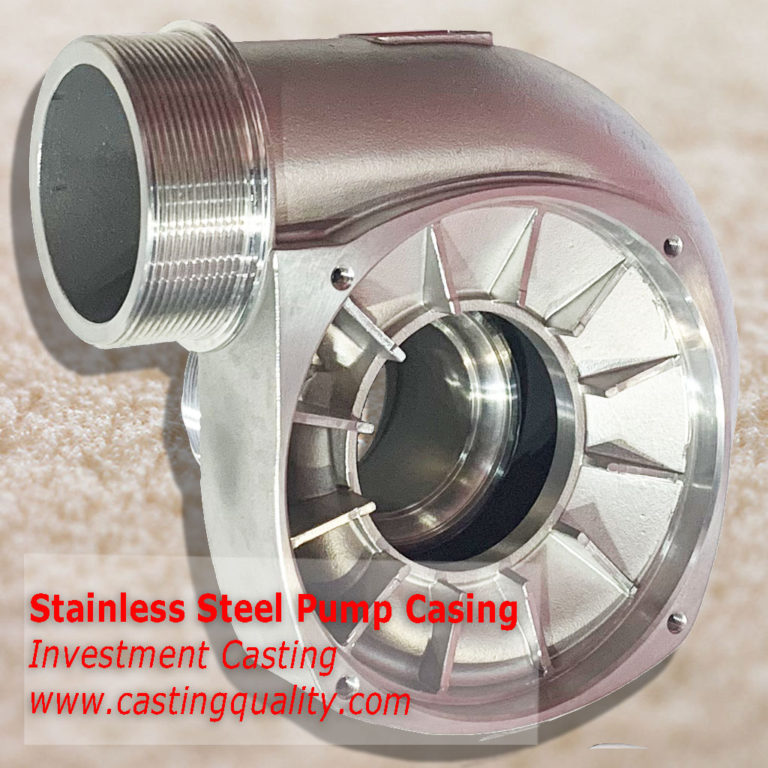
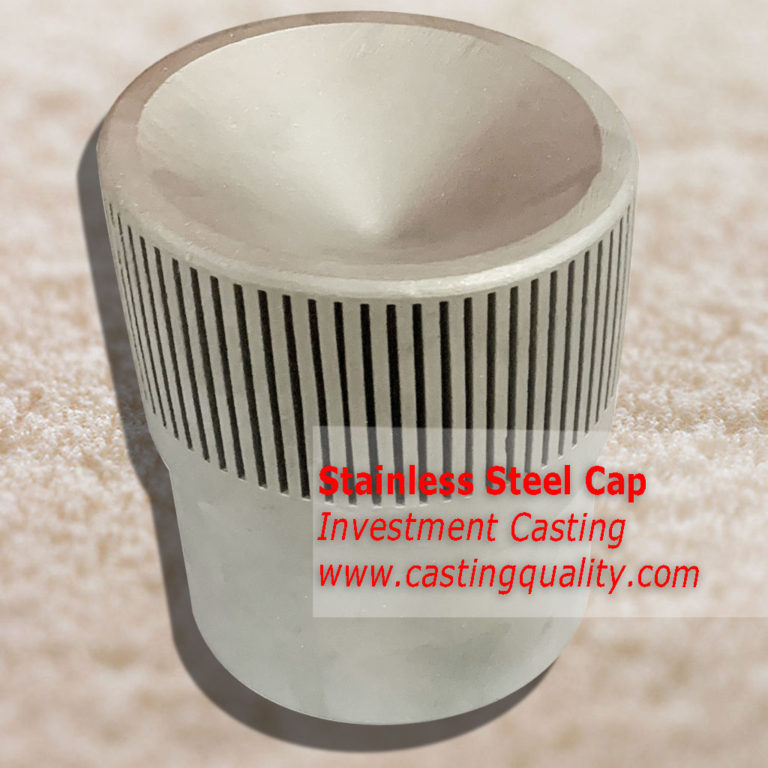
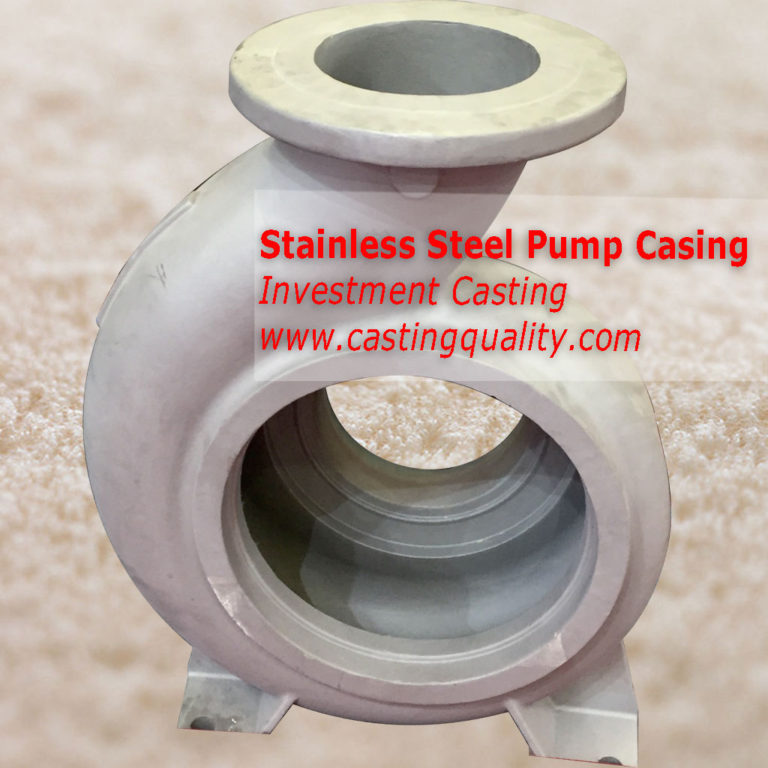
GX2CrNi19-11 is a austenitic stainless steel casting grade covered by EN 10213, EN 10283, EN 10340. Casting process options include Investment Casting, Shell Molding Casting, Sand Casting, subject to the applicable specification and component requirements.
| Field | Value |
|---|---|
| Designation | GX2CrNi19-11 (EN 1.4309) |
| Material Type | Stainless Steel |
| Sub Type | Austenitic Stainless Steel |
| Product Form | casting |
Manufacturing Process
Investment Casting
Shell Molding Casting
Sand Casting
Equivalent Grades
Similar Materials
N/A
Reference Standards
| Standard | Standard Title | Edition | Specification | Identifier |
|---|---|---|---|---|
| EN 10213 | Steel castings for pressure purposes | 2007+A1:2016 | GX2CrNi19-11 | EN 1.4309 |
| EN 10283 | Corrosion resistant steel castings | 2019 | GX2CrNi19-11 | EN 1.4309 |
| EN 10340 | Steel castings for structural uses | 2007 | GX2CrNi19-11 | EN 1.4309 |
| ISO 11972 | Corrosion-resistant cast steels for general applications | 2023 | GX2CrNi19-11 | EN 1.4309 |
Related Casting Products
Physical Properties
EN 10213–2007+A1:2016
| Property | Value | Note |
|---|---|---|
| Density | 7.88 kg/dm³ | Test at 20 °C |
| Thermal Expansion | 16.8 ×10⁻⁶/K | Temperature range: 20–100 °C |
| Thermal Expansion | 17.9 ×10⁻⁶/K | Temperature range: 20–300 °C |
| Thermal Expansion | 18.6 ×10⁻⁶/K | Temperature range: 20–500 °C |
| Thermal Conductivity | 15.2 W/(m·K) | Test at 50 °C |
| Thermal Conductivity | 16.5 W/(m·K) | Test at 100 °C |
| Specific Heat | 530 J/(kg·K) | Test at 20 °C |
| Magnetic Property | Not or slightly magnetic |
EN 10283–2019
| Property | Value | Note |
|---|---|---|
| Density | 7.88 kg/dm³ | Test at 20 °C |
| Specific Heat | 530 J/(kg·K) | Test at 20 °C |
| Thermal Conductivity | 15.2 W/(m·K) | Test at 50 °C |
| Thermal Conductivity | 16.5 W/(m·K) | Test at 100 °C |
| Thermal Expansion | 16.8 ×10⁻⁶/K | Temperature range: 20–100 °C |
| Thermal Expansion | 17.9 ×10⁻⁶/K | Temperature range: 20–300 °C |
| Thermal Expansion | 18.6 ×10⁻⁶/K | Temperature range: 20–500 °C |
Chemical Composition
| Element | EN 10213Edition 2007+A1:2016 · wt.%Cast analysis | EN 10283Edition 2019 · wt.%Cast analysis | EN 10340Edition 2007 · wt.%Cast analysis | ISO 11972Edition 2023 · wt.% |
|---|---|---|---|---|
| C | ≤ 0.030 | ≤ 0.030 | ≤ 0.030 | ≤ 0.03 |
| Si | ≤ 1.50 | ≤ 1.50 | ≤ 1.50 | ≤ 1.5 |
| Mn | ≤ 2.00 | ≤ 2.00 | ≤ 2.00 | ≤ 2.0 |
| P | ≤ 0.035 | ≤ 0.035 | ≤ 0.035 | ≤ 0.035 |
| S | ≤ 0.025 | ≤ 0.025 | ≤ 0.025 | ≤ 0.025 |
| Cr | 18.00–20.00 | 18.00–20.00 | 18.00–20.00 | 18.0–20.0 |
| Ni | 9.00–12.00 | 9.00–12.00 | 9.00–12.00 | 9.0–12.0 |
| Mo | — / Not specified | — / Not specified | ≤ 0.50 | — / Not specified |
| Cu | ≤ 0.50 | ≤ 0.50[1] | ≤ 0.50 | — / Not specified |
| N | ≤ 0.20 | ≤ 0.20 | ≤ 0.20 | ≤ 0.20 |
Notes
EN 10283 · Edition 2019
[1] Cu: Applies unless otherwise agreed; unspecified elements shall not be intentionally added without purchaser agreement except for finishing the heat.
Heat Treatment
EN 10213–2007+A1:2016 · +AT
| Step | Operation | Temperature | Cooling |
|---|---|---|---|
| 1 | : solution annealing | 1050–1150 °C[1] | water quench |
EN 10283–2019 · +AT
| Step | Operation | Temperature | Cooling |
|---|---|---|---|
| 1 | solution annealing | 1050–1150 °C | water |
EN 10340–2007 · +AT
| Step | Operation | Temperature | Cooling |
|---|---|---|---|
| 1 | : solution annealing | 1050–1150 °C | water |
ISO 11972–2023 · Solution treated
| Step | Operation | Temperature | Cooling |
|---|---|---|---|
| 1 | solution treatment | 1050–1150 °C[2] | quench |
Notes
EN 10213 · Edition 2007+A1:2016
[1] +AT: Treatment temperatures are given for information; required delivery condition is specified separately.
ISO 11972 · Edition 2023
[2] Solution treated: Depending on thickness, accelerated air cooling.
Mechanical Properties
| Property | EN 10213Edition 2007+A1:2016 | EN 10283Edition 2019[1] | EN 10340Edition 2007[2] | ISO 11972Edition 2023[3] |
|---|---|---|---|---|
| Yield Strength (Rp1.0) | ≥ 210 MPa[4] ≥ 165 MPa[5] ≥ 130 MPa[6] ≥ 110 MPa[7] ≥ 100 MPa[8] | ≥ 210 MPa | — / Not specified | — / Not specified |
| Tensile Strength | 440–640 MPa[4] | ≥ 440 MPa | 440–640 MPa | ≥ 440 MPa |
| Elongation | ≥ 30 %[4] | ≥ 30 % | ≥ 30 % | ≥ 30 % |
| Impact Energy | ≥ 80 J[4] ≥ 70 J[9] | ≥ 80 J[10] | ≥ 80 J | ≥ 80 J[11] |
| Yield Strength (Rp0.2) | — / Not specified | ≥ 185 MPa | ≥ 185 MPa | ≥ 185 MPa |
Notes
EN 10283 · Edition 2019
[1] All properties in this column: wall thickness ≤ 150 mm; Test block; maximum thickness 150 mm; Room temperature; Yield and tensile strength also apply to the casting up to the maximum specified wall thickness.
[10] Impact Energy: KV2 as specified in
EN 10340 · Edition 2007
[2] All properties in this column: wall thickness ≤ 150 mm; Test block of relevant thickness; maximum thickness 150 mm; Room temperature; Yield and tensile strength also apply to the casting up to the maximum relevant wall thickness.
ISO 11972 · Edition 2023
[3] All properties in this column: wall thickness ≤ 150 mm; Room temperature; Test blocks used to verify mechanical properties shall not exceed 150 mm thickness. Properties for samples removed from castings shall be agreed between manufacturer and purchaser.
[11] Impact Energy: Verification of impact tests is required only when indicated by the customer.
EN 10213 · Edition 2007+A1:2016
[4] Yield Strength (Rp1.0)/Tensile Strength/Elongation/Impact Energy: wall thickness ≤ 150 mm; Properties verified on test blocks of thickness up to 150 mm; applicability to casting wall thickness as stated. Larger governing thickness requires agreement.; Room temperature
[5] Yield Strength (Rp1.0): Test at 100 °C; Verification of elevated-temperature yield values is subject to agreement at enquiry and order.
[6] Yield Strength (Rp1.0): Test at 200 °C; Verification of elevated-temperature yield values is subject to agreement at enquiry and order.
[7] Yield Strength (Rp1.0): Test at 300 °C; Verification of elevated-temperature yield values is subject to agreement at enquiry and order.
[8] Yield Strength (Rp1.0): Test at 350 °C; Verification of elevated-temperature yield values is subject to agreement at enquiry and order.
[9] Impact Energy: Test at -196 °C; Test block; maximum thickness 150 mm; Optional by agreement at enquiry and order
Welding Conditions
EN 10213–2007+A1:2016
EN 10283–2019
EN 10340–2007
Notes
EN 10213 · Edition 2007+A1:2016
[1] Preheat: Production welding by the foundry; requirements for austenitic/austenitic-ferritic grades are normative.; Preheat temperature depends on casting geometry, thickness and climatic conditions.
[2] Interpass Temperature: Production welding by the foundry; requirements for austenitic/austenitic-ferritic grades are normative.
[3] Post-weld Heat Treatment: Production welding by the foundry; requirements for austenitic/austenitic-ferritic grades are normative.; In general, production welds are major when prepared cavity depth exceeds 40% of the wall thickness; minor weld corrosion conditions may require special agreement.
EN 10283 · Edition 2019
[4] Preheat: Preheat depends on casting geometry, thickness and climatic conditions.
[5] Post-weld Heat Treatment: minor welds; Special arrangements may be agreed according to corrosion conditions. With low preheat and interpass temperatures (≤150 °C), post-weld heat treatment may be suppressed by agreement.
[6] Post-weld Heat Treatment: major welds; Special arrangements may be agreed according to corrosion conditions. With low preheat and interpass temperatures (≤150 °C), post-weld heat treatment may be suppressed by agreement.
EN 10340 · Edition 2007
[7] Preheat: Preheat depends on casting geometry, thickness and climatic conditions.
[8] Post-weld Heat Treatment: For minor welds, special arrangements may be agreed according to corrosion conditions; production welds are generally major when cavity depth exceeds 40% of wall thickness. Special arrangements may be agreed according to corrosion conditions.
Applications
Typical casting applications include pumps, machinery parts, automotive components, food-processing equipment and construction components.
Last Updated: October 16, 2026