
GX40CrSi13 (EN 1.4729) Ferritic Stainless Steel Casting Material
Ferritic Stainless Steel
Introduction
GX40CrSi13 is a heat-resistant ferritic stainless steel casting grade covered by EN 10295. Typical applications include heat-resistant cast components.
| Field | Value |
|---|---|
| Designation | GX40CrSi13 (EN 1.4729) |
| Material Type | Stainless Steel |
| Sub Type | Ferritic Stainless Steel |
| Product Form | casting |
Manufacturing Process
Investment Casting
Shell Molding Casting
Sand Casting
Equivalent Materials
N/A
Similar Materials
N/A
Reference Standards
| Standard | Standard Title | Edition | Specification | Identifier |
|---|---|---|---|---|
| EN 10295 | Heat resistant steel castings | 2002 | GX40CrSi13 | — |
Related Casting Products
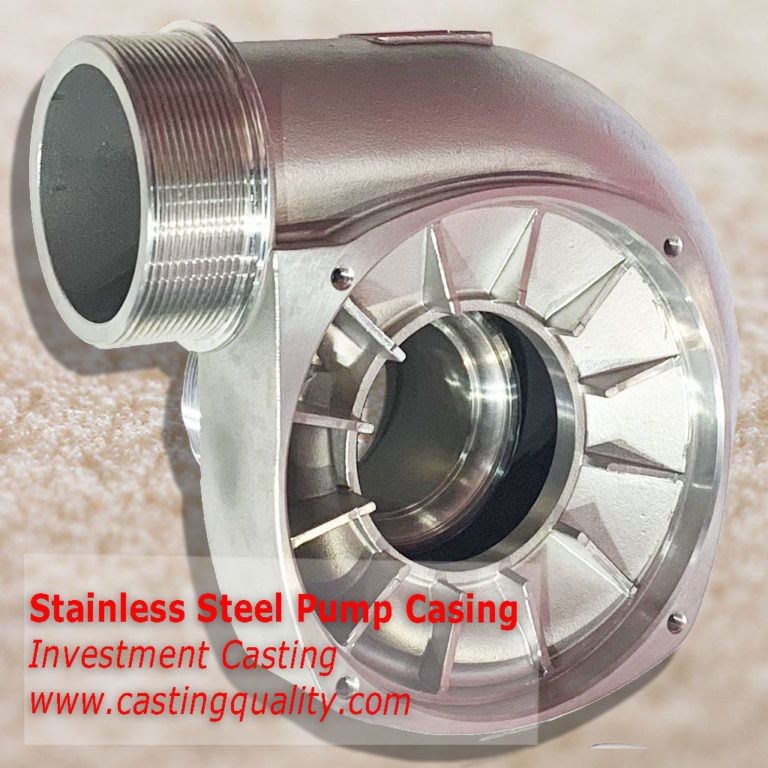
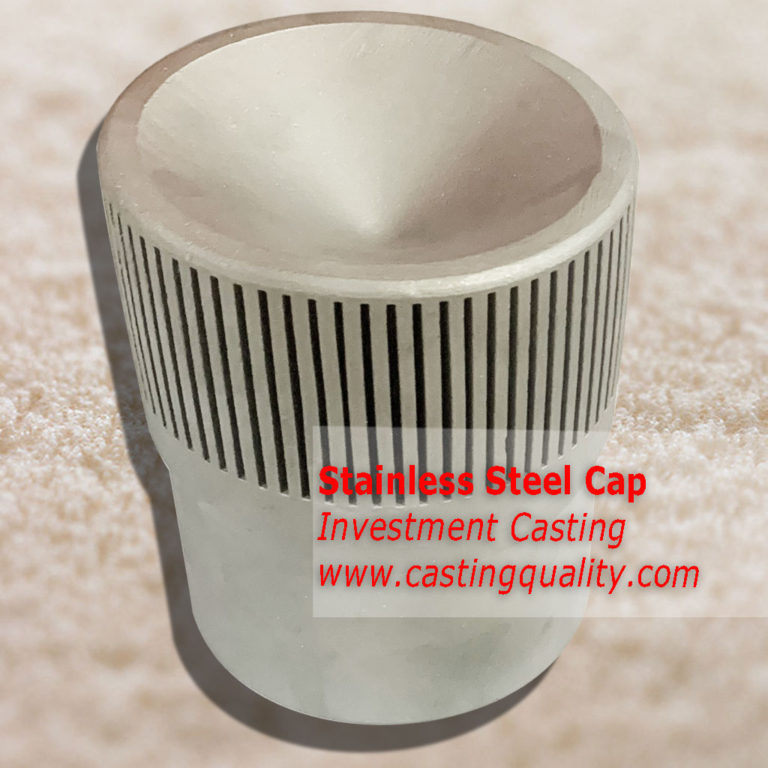
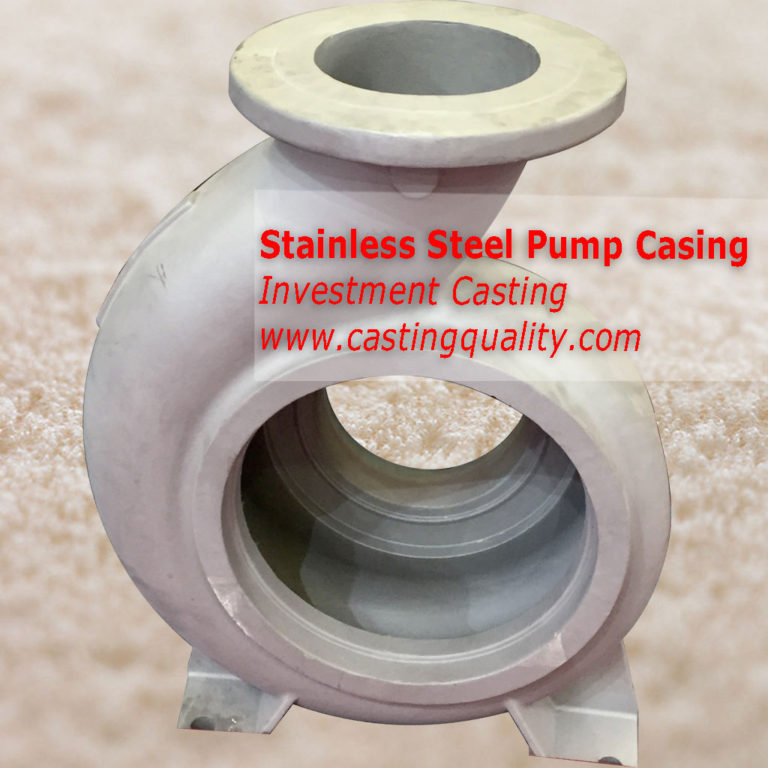

Physical Properties
| Property | Value / Unit | Note | Source |
|---|---|---|---|
| Density | 7.7 kg/dm³ | EN 10295 | |
| Specific Heat | 460 J/(kg·K) | Temperature: 20 °C | EN 10295 |
| Thermal Conductivity | 24 W/(m·K) | Temperature: 20 °C | EN 10295 |
| Thermal Conductivity | 24.8 W/(m·K) | Temperature: 100 °C | EN 10295 |
| Thermal Conductivity | 30 W/(m·K) | Temperature: 800 °C | EN 10295 |
| Thermal Expansion | 12.5 ×10⁻⁶/K | Temperature range: 20–400 °C | EN 10295 |
| Thermal Expansion | 13.5 ×10⁻⁶/K | Temperature range: 20–800 °C | EN 10295 |
Chemical Composition
| Element | EN 10295Edition 2002 · wt.%Cast analysis |
|---|---|
| C | 0.30–0.50 |
| Si | 1.00–2.50 |
| Mn | ≤ 1.00 |
| P | ≤ 0.040 |
| S | ≤ 0.030 |
| Cr | 12.00–14.00 |
| Ni | ≤ 1.00 |
| Mo | ≤ 0.50 |
| Cu | ≤ 0.20[1] |
| Nb | ≤ 0.20[1] |
| V | ≤ 0.08[1] |
| W | ≤ 0.20[1] |
| Co | ≤ 0.50[1] |
Notes
EN 10295 · Edition 2002
[1] Cu/Nb/V/W/Co: Unless otherwise agreed: limit for element unspecified in; no intentional addition except for finishing the heat.
Heat Treatment
EN 10295–2002 · +A
| Step | Operation | Temperature | Cooling |
|---|---|---|---|
| 1 | anneal | 800–850 °C | — |
Mechanical Properties
Core Mechanical Properties
N/A
Additional Mechanical Properties
Creep & Stress-Rupture Properties
| Property | Value / unit | Temperature / conditions | Nature | Source / edition | Notes |
|---|---|---|---|---|---|
| σr — mean rupture stress | 120 MPa | Temperature: 600 °C; Load time: 100 h | Informative | EN 10295–2002 · EN 10295:2002, Annex B, Table B.1 (informative) | Mean values; ±20% scatter band; information only, not acceptance requirements; Mean creep values from a scatter band of ±20%; information only. |
| σr — mean rupture stress | 75 MPa | Temperature: 600 °C; Load time: 1000 h | Informative | EN 10295–2002 · EN 10295:2002, Annex B, Table B.1 (informative) | Mean values; ±20% scatter band; information only, not acceptance requirements; Mean creep values from a scatter band of ±20%; information only. |
| σ1% — mean stress for 1% elongation | 22 MPa | Temperature: 600 °C; Load time: 10000 h | Informative | EN 10295–2002 · EN 10295:2002, Annex B, Table B.1 (informative) | Mean values; ±20% scatter band; information only, not acceptance requirements; Mean creep values from a scatter band of ±20%; information only. |
| σr — mean rupture stress | 28 MPa | Temperature: 700 °C; Load time: 100 h | Informative | EN 10295–2002 · EN 10295:2002, Annex B, Table B.1 (informative) | Mean values; ±20% scatter band; information only, not acceptance requirements; Mean creep values from a scatter band of ±20%; information only. |
| σr — mean rupture stress | 21 MPa | Temperature: 700 °C; Load time: 1000 h | Informative | EN 10295–2002 · EN 10295:2002, Annex B, Table B.1 (informative) | Mean values; ±20% scatter band; information only, not acceptance requirements; Mean creep values from a scatter band of ±20%; information only. |
| σ1% — mean stress for 1% elongation | 9 MPa | Temperature: 700 °C; Load time: 10000 h | Informative | EN 10295–2002 · EN 10295:2002, Annex B, Table B.1 (informative) | Mean values; ±20% scatter band; information only, not acceptance requirements; Mean creep values from a scatter band of ±20%; information only. |
| σr — mean rupture stress | 10 MPa | Temperature: 800 °C; Load time: 100 h | Informative | EN 10295–2002 · EN 10295:2002, Annex B, Table B.1 (informative) | Mean values; ±20% scatter band; information only, not acceptance requirements; Mean creep values from a scatter band of ±20%; information only. |
| σr — mean rupture stress | 7 MPa | Temperature: 800 °C; Load time: 1000 h | Informative | EN 10295–2002 · EN 10295:2002, Annex B, Table B.1 (informative) | Mean values; ±20% scatter band; information only, not acceptance requirements; Mean creep values from a scatter band of ±20%; information only. |
| σ1% — mean stress for 1% elongation | 3.5 MPa | Temperature: 800 °C; Load time: 10000 h | Informative | EN 10295–2002 · EN 10295:2002, Annex B, Table B.1 (informative) | Mean values; ±20% scatter band; information only, not acceptance requirements; Mean creep values from a scatter band of ±20%; information only. |
| σ1% — mean stress for 1% elongation | 1 MPa | Temperature: 900 °C; Load time: 10000 h | Informative | EN 10295–2002 · EN 10295:2002, Annex B, Table B.1 (informative) | Mean values; ±20% scatter band; information only, not acceptance requirements; Mean creep values from a scatter band of ±20%; information only. |
EN 10295–2002 · +A
N/A
Welding Conditions
EN 10295–2002
| Requirement | Value |
|---|---|
| Preheat | 300–500 °C[1] |
| Post-weld Heat Treatment | Stress relief annealing at 760 °C to 800 °C[2] |
EN 10295:2002, Annex A, Table A.1 (informative)
Notes
EN 10295 · Edition 2002
[1] Preheat: Production welding; informative; The welded area should not cool below the minimum preheat temperature before post-weld heat treatment.
[2] Post-weld Heat Treatment: Production welding; informative
Applications
Ferritic stainless steel EN 10295 GX40CrSi13 is used for heat-resistant cast components. EN 10295:2002 gives an informative maximum use temperature in air of 850 °C, based on oxidation resistance in clean natural air. These figures are not guaranteed continuous or intermittent service temperatures, or allowable temperatures under load; other atmospheres require separate assessment.
Other cast components used in this material family include furnace fixtures, support elements and burner-assembly components. These applications include industrial heating and heat-treatment equipment. Atmosphere, loading, direct flame exposure, cyclic operation and process deposits must be considered separately from an in-air reference temperature.
Need GX40CrSi13 Castings?
Contact us for casting and machining inquiries.
Email Us for a QuoteLast Updated: November 6, 2026