
GX40CrNiSi27-4 (EN 1.4823) Duplex Stainless Steel Casting Material
Duplex Stainless Steel
Introduction
EN 10295 Grade GX40CrNiSi27-4 is a heat-resistant duplex stainless steel casting grade. Process options include investment casting, shell molding and sand casting. Typical uses include furnace and hearth rails.
| Field | Value |
|---|---|
| Designation | GX40CrNiSi27-4 (EN 1.4823) |
| Material Type | Stainless Steel |
| Sub Type | Duplex Stainless Steel |
| Product Form | casting |
Manufacturing Process
Investment Casting
Shell Molding Casting
Sand Casting
Equivalent Materials
Not Available
Similar Materials
Not Available
Reference Standards
| Standard | Standard Title | Edition | Specification | Identifier |
|---|---|---|---|---|
| EN 10295 | Heat resistant steel castings | 2002 | GX40CrNiSi27-4 | EN 1.4823 |
Related Casting Products
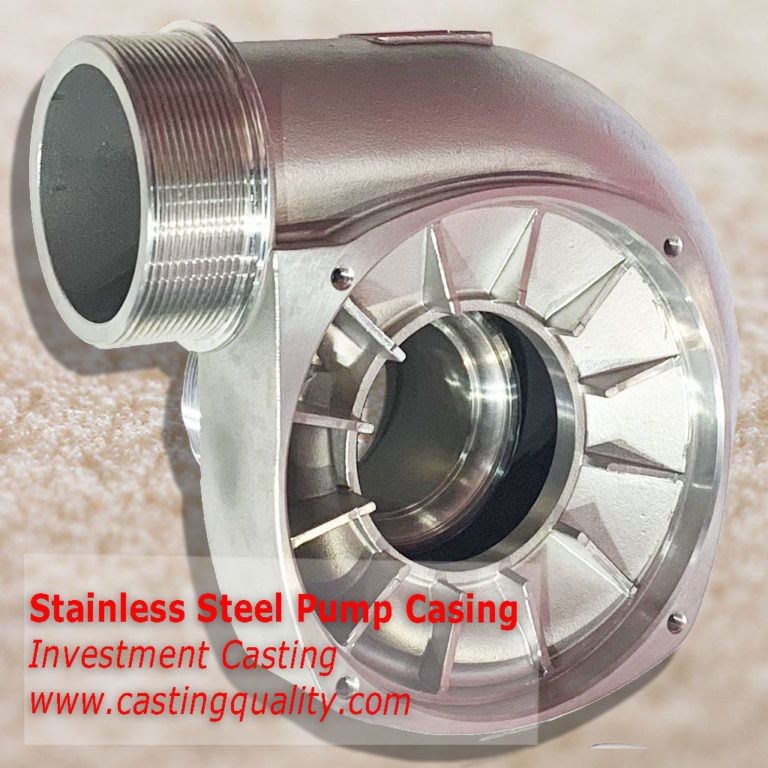
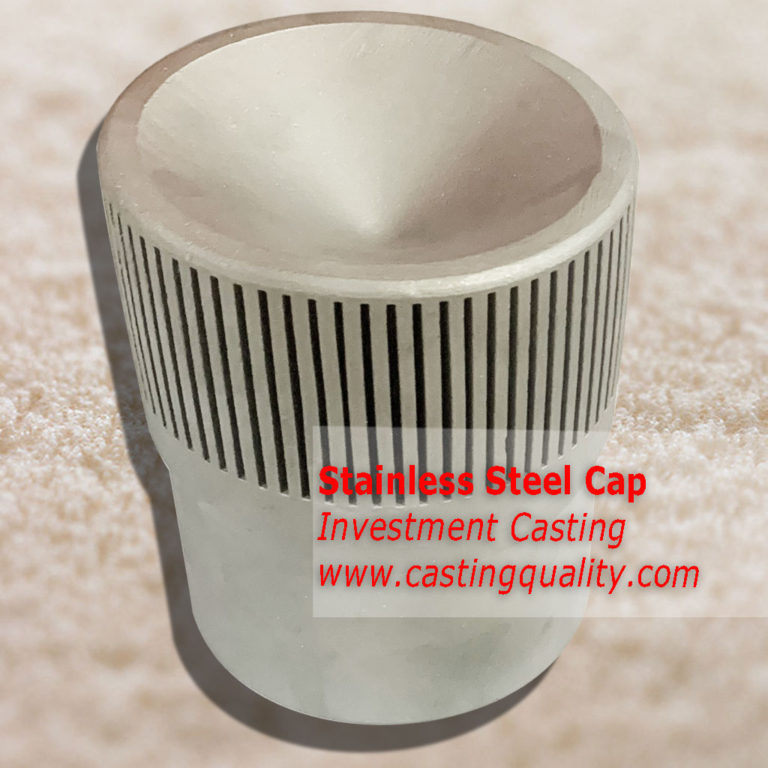
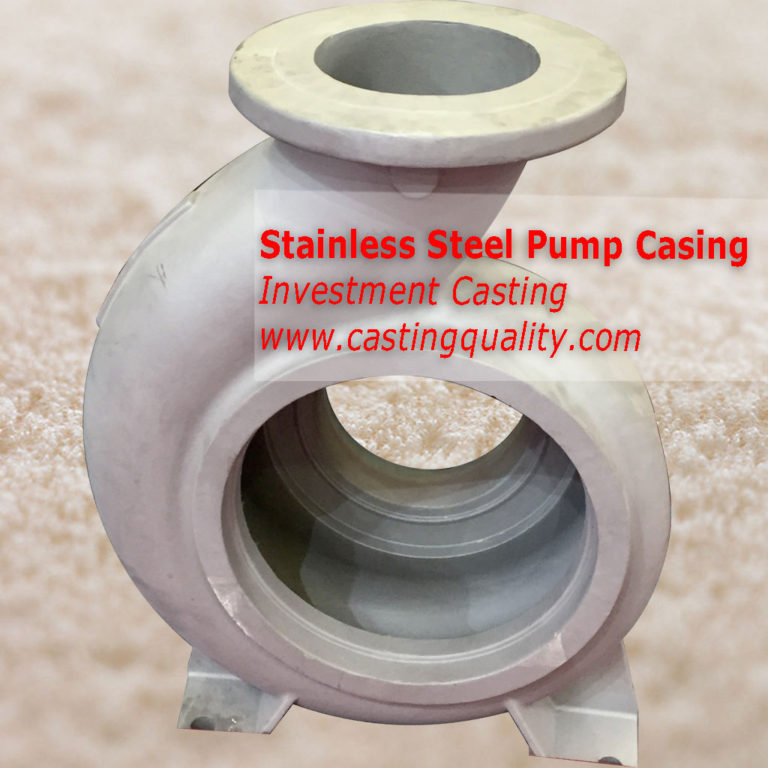
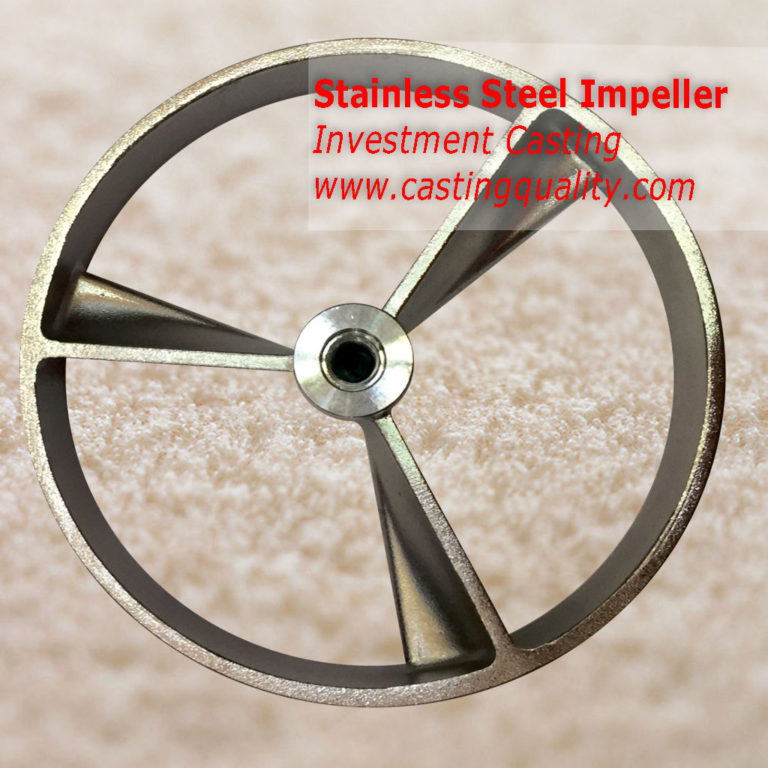
Physical Properties
| Property | Value | Applicable Conditions |
|---|---|---|
| Density | 7.6 kg/dm³[1] | |
| Thermal Conductivity | 16.7 W/(m·K)[1] | Test temperature: 20 °C |
| Thermal Conductivity | 21 W/(m·K)[1] | Test temperature: 100 °C |
| Thermal Conductivity | 35 W/(m·K)[1] | Test temperature: 800 °C |
| Thermal Conductivity | 39.6 W/(m·K)[1] | Test temperature: 1000 °C |
| Specific Heat | 500 J/(kg·K)[1] | Test temperature: 20 °C |
| Thermal Expansion | 13 ×10⁻⁶/K[1] | Temperature range: 20–400 °C |
| Thermal Expansion | 14.5 ×10⁻⁶/K[1] | Temperature range: 20–800 °C |
| Thermal Expansion | 16.6 ×10⁻⁶/K[1] | Temperature range: 20–1000 °C |
Notes
- [1] Informative values; not mandatory acceptance limits.
Chemical Composition
| Element | Requirement |
|---|---|
| C | 0.30–0.50 %[1] |
| Si | 1.00–2.50 %[1] |
| Mn | ≤ 1.50 %[1] |
| P | ≤ 0.040 %[1] |
| S | ≤ 0.030 %[1] |
| Cr | 25.00–28.00 %[1] |
| Ni | 3.00–6.00 %[1] |
| Mo | ≤ 0.50 %[1] |
| Cu | ≤ 0.20 %[2] |
| V | ≤ 0.08 %[2] |
| Nb | ≤ 0.20 %[2] |
| W | ≤ 0.20 %[2] |
| Co | ≤ 0.50 %[2] |
Notes
- [1] C; Si; Mn; P; S; Cr; Mo; Ni: cast analysis
- [2] W; Nb; V; Cu; Co: Unless otherwise agreed: limit for element unspecified in Table 1; no intentional addition except for finishing the heat.; cast analysis
Heat Treatment
EN 10295–2002
Not Available
Mechanical Properties
Primary Mechanical Properties
EN 10295 — 2002
Condition: Room temperature; As cast / no heat treatment
| Property | Requirement |
|---|---|
| Yield Strength | ≥ 250 MPa[1] |
| Tensile Strength | ≥ 550 MPa |
| Elongation | ≥ 3 % |
Notes
- [1] Yield Strength: Yield strength is 0.2% proof strength.
Additional Mechanical Properties
EN 10295 — 2002
Creep & Stress-Rupture Properties
Condition: 100 h
Informative
| Property | 600 °C | 700 °C | 800 °C | 900 °C |
|---|---|---|---|---|
| σr — mean rupture stress | 100 MPa[1][2][3][4] | 45 MPa[1][2][3][4] | 25 MPa[1][2][3][4] | 15 MPa[1][2][3][4] |
Notes
- [1] Mean creep values from a scatter band of ±20%; information only.
- [2] Mean values
- [3] ±20% scatter band
- [4] information only, not acceptance requirements
EN 10295 — 2002
Creep & Stress-Rupture Properties
Condition: 1000 h
Informative
Notes
- [1] Mean creep values from a scatter band of ±20%; information only.
- [2] Mean values
- [3] ±20% scatter band
- [4] information only, not acceptance requirements
EN 10295 — 2002
Creep & Stress-Rupture Properties
Condition: 10000 h
Informative
| Property | 600 °C | 700 °C | 800 °C | 900 °C |
|---|---|---|---|---|
| σ1% — mean stress for 1% elongation | 28 MPa[1][2][3][4] | 15 MPa[1][2][3][4] | 8 MPa[1][2][3][4] | 4 MPa[1][2][3][4] |
Notes
- [1] Mean creep values from a scatter band of ±20%; information only.
- [2] Mean values
- [3] ±20% scatter band
- [4] information only, not acceptance requirements
EN 10295 — 2002
Creep & Stress-Rupture Properties
Condition: 10000 h; 1000 °C
Informative
Notes
- [1] Mean creep values from a scatter band of ±20%; information only.
- [2] Mean values
- [3] ±20% scatter band
- [4] information only, not acceptance requirements
Welding Conditions
Not Available
Applications
Duplex stainless steel EN 10295 GX40CrNiSi27-4 is typically used for furnace and hearth rails. EN 10295:2002 gives an informative maximum use temperature in air of 1100 °C, based on oxidation resistance in clean natural air. These figures are not guaranteed continuous or intermittent service temperatures, or allowable temperatures under load; other atmospheres require separate assessment.
Other cast components used in this material family include furnace fixtures, support elements and burner-assembly components. These applications include industrial heating and heat-treatment equipment. Atmosphere, loading, direct flame exposure, cyclic operation and process deposits must be considered separately from an in-air reference temperature.
Need GX40CrNiSi27-4 Castings?
Contact us for casting and machining inquiries.
Email Us for a QuoteLast Updated: November 25, 2026